
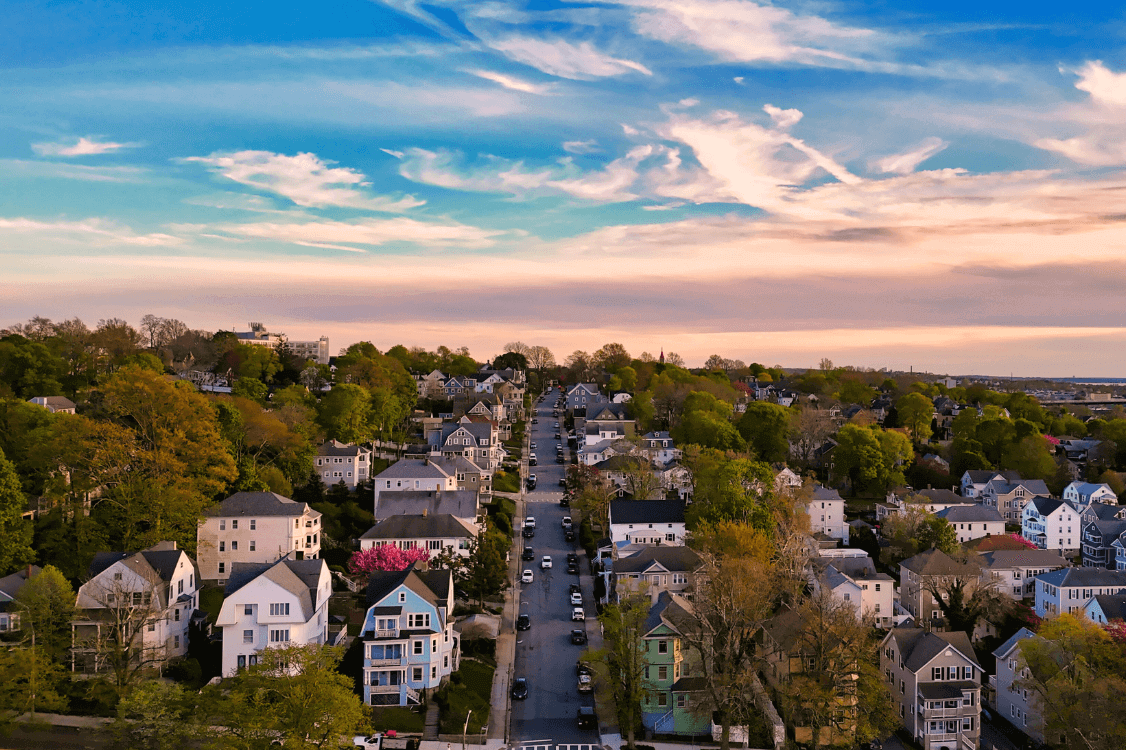
Fall River, Massachusetts, has a deep history, strong cultural influences, and a spirit of resilience. Known for its textile mills, maritime connections, and famous unsolved crime, Fall River has played a key role in shaping New England’s identity. Whether you’re a local or a visitor, learning more about the city’s past and present reveals a place full of fascinating details.
The Name Fall River Comes from Its Waterfalls
Before European settlers arrived, the area was home to the Wampanoag people, who called it Quequechuan, meaning falling water. This name referred to the waterfalls that once flowed through the city’s center. The falls powered the textile mills that made Fall River a manufacturing giant in the 19th century. Although much of the river has been redirected or covered over, its influence on the city’s development remains.
Fall River was Once a Leading Textile Capital of the World
In the late 1800s, Fall River was one of the largest textile-producing cities in the world. Cotton shipped from the South was processed in massive brick mills along the Quequechuan River. At its peak, the city had over 100 mills, employing thousands of workers. Fabric from Fall River was sold nationwide, helping drive the Industrial Revolution. While the textile industry declined in the 20th century, many old mill buildings still stand today, repurposed as apartments, offices, and cultural spaces.
It’s Home to Battleship Cove, the World’s Largest Collection of Historic Naval Ship
Battleship Cove is one of Fall River’s most well-known attractions. It features the USS Massachusetts, a World War II battleship, along with several other historic naval vessels. Visitors can tour destroyers, submarines, and PT boats used during the war. The museum provides an interactive way to learn about maritime history, and some programs even allow guests to spend the night on the ships.
The Infamous Lizzie Borden Case Happened in Fall River
One of the most famous unsolved murder cases in U.S. history took place in Fall River, MA. In 1892, Andrew and Abby Borden were found brutally murdered in their home. Their daughter, Lizzie Borden, was accused but later acquitted after a highly publicized trial. The case became an enduring part of American folklore, inspiring books, movies, and a skipping rhyme. Today, the Lizzie Borden House is a museum and B&B, drawing visitors worldwide.
The Fall River Line Provided Luxury Travel Between New York and Boston
Before modern highways and airlines, the Fall River Line was one of the most elegant ways to travel between Boston and New York City. This steamboat service operated from the 1840s to the 1930s, offering passengers a luxurious overnight journey. Wealthy travelers, including business leaders and politicians, often chose the Fall River Line for its fine dining, live music, and stately accommodations. Although the service no longer exists, its impact on regional travel cannot be understated.
Fall River is Home to One of the Largest Portuguese Communities in the United States
Fall River is home to one of the biggest Portuguese-American communities in the country. Many families immigrated from the Azores and Madeira in the early 20th century to work in the textile mills. Today, Portuguese culture remains a powerful part of Fall River’s identity. Local bakeries sell traditional pastries like malasadas, and restaurants serve dishes such as bacalhau (salted cod) and chouriço (spicy sausage. The annual Great Feast of the Holy Ghost, held in Kennedy Park, is one of the largest Portuguese festivals in the U.S.
Kennedy Park was Designed by the Architect of Central Park
Kennedy Park, a lush green space in the city, was designed by Frederick Law Olmsted, the same landscape architect responsible for New York’s Central Park. Originally called South Park, it was renamed after President John F. Kennedy in 1963. The park includes walking paths, playgrounds, and scenic views of the Taunton River. It remains a popular gathering spot for community events and festivals.
The City was Devastated by a Fire in 1843
In 1843, a massive fire destroyed much of Fall River’s downtown and industrial district. The flames spread rapidly through the city’s wooden buildings, leaving thousands homeless. After the disaster, Fall River was rebuilt using brick and stone, making it more resistant to future fires. The rebuilding effort helped the city expand and provoked a boom in textile production.
Fall River has an Underground Railroad Connection
During the 1800s, Fall River played a role in the Underground Railroad, helping enslaved people escape to freedom. The city’s abolitionist community provided shelter and resources for those fleeing the South. While few physical landmarks remain, records show that some local homes and churches were used as hiding places. Fall River’s location near coastal waterways also made it an ideal spot for escape routes leading to Canada.
Interstate 195 Changed the City’s Layout
In the mid-20th century, urban renewal projects led to significant changes in Fall River. One of the most dramatic was the construction of Interstate 195, which cut through the heart of the city. While it improved access to Providence and New Bedford, it also forced the demolition of historic neighborhoods and displaced many residents. The highway’s impact is still felt today, as efforts continue to reconnect parts of the city that were divided by construction.
The Quequechan River Once Powered the Entire City
The Quequechan River, which runs through Fall River, was once the driving force behind the city’s industry. Its powerful waterfalls were harnessed to run textile mills, making it one of the most valuable natural resources in the region. Over time, sections of the river were redirected underground to make room for development. Recent revitalization efforts aim to restore parts of the river and create new public spaces around it.
Fall River is Home to Unique Museums
In addition to Battleship Cove and the Lizzie Borden House, Fall River has several other fascinating museums:
- The Fall River Historical Society preserves artifacts and documents from the city’s past, including items related to the Lizzie Borden case.
- The Lafayette-Durfee House, built in the 18th century, showcases life during the American Revolution.
- The Marine Museum at Fall River highlights the city’s connection to maritime history, featuring exhibits on the Fall River Line and shipbuilding.
It’s a Hotspot for Boating and Fishing
Fall River’s waterfront provides access to some of the best fishing and boating in the region. The Taunton River and Mount Hope Bay are known for their striped bass, bluefish, and flounder. Kayakers and boaters enjoy exploring the waterways, with several marinas and boat launches available. The city’s connection to the ocean has informed its history and recreation.
The Narrows Center for the Arts Showcases Live Music
The Narrows Center for the Arts is a top venue for live music and visual arts in Fall River, MA. It hosts performances by folk, blues, and rock musicians, often in an intimate setting that allows for a close-up experience. The venue also features rotating art exhibits, making it a cultural hub for the city.
Get Legal Counsel in Fall River, Massachusetts
If you suffer an accident in Fall River, it might be time to consider reaching out for legal counsel so you can concentrate on your recovery.
We’re here to help at Boston Injury Law, so call (617) 454-4874 to get a free consultation. We’ll handle the legal process so you can focus on your recovery in Fall River, MA.