


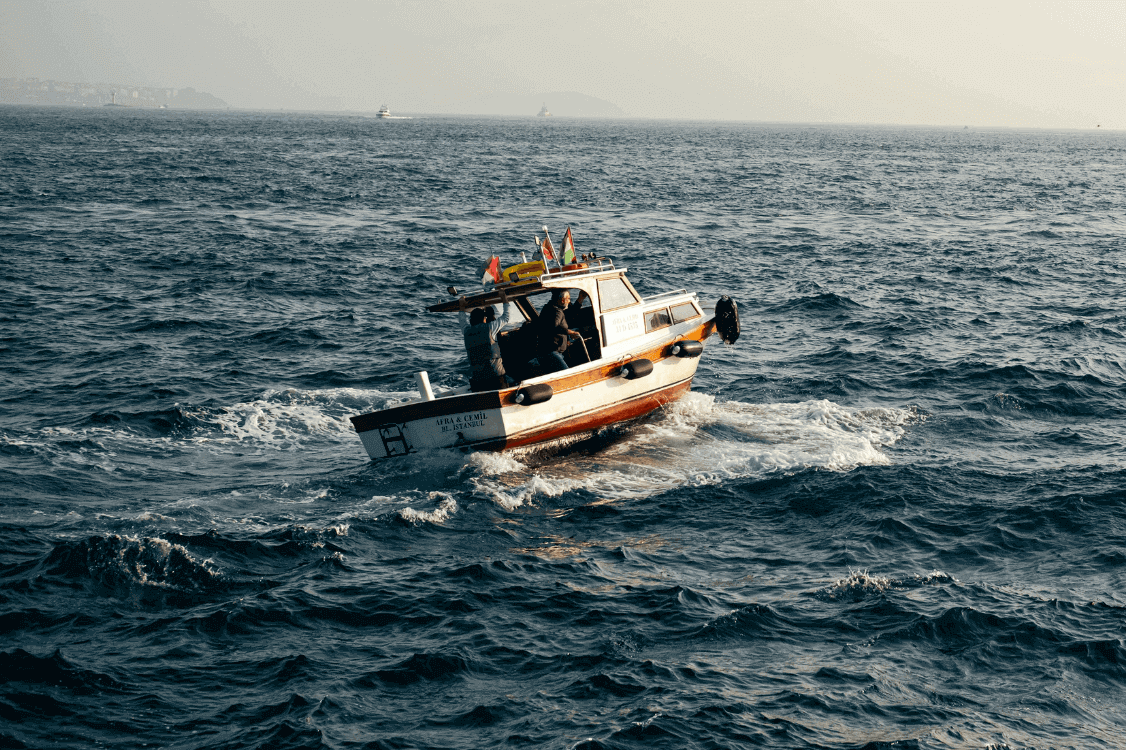
Boating accidents involve collisions, capsizing, or other incidents on water vessels that cause injuries or property damage. Massachusetts waters see thousands of recreational boaters each year, and when operators act negligently or conditions turn dangerous, the consequences can be severe.
Common causes include operator negligence, reckless boating, alcohol use, mechanical failure, unsafe conditions, and lack of proper safety equipment. Victims often face physical injuries, emotional trauma, mounting medical bills, lost income, and damage to their vessels and belongings.
Massachusetts personal injury laws allow victims to pursue compensation when someone else’s careless conduct caused their injuries. Boston Injury Law Group provides experienced legal guidance to help boating accident victims recover what they are owed.
Why Boating Accidents Are Serious
Boating accidents pose risks that differ from those of typical motor vehicle crashes. When accidents happen on the water, victims face immediate risks, including drowning, hyperthermia, and delayed access to emergency medical care. Even strong swimmers can find themselves in life-threatening situations when injured far from shore.
Physical injuries from boating accidents are often severe. Broken bones occur frequently when passengers are thrown against hard surfaces or into the water. Head trauma can result from impacts with boat structures, docks, or other vessels. Spinal injuries may cause temporary or permanent paralysis. Burns occur when fires break out or when victims come into contact with hot engine components. The ever-present risk of drowning adds urgency to every water-based incident.
Emotional and psychological effects often follow boating accidents. Survivors may develop PTSD (post-traumatic stress disorder), experiencing flashbacks and nightmares about the incident. Anxiety around water activities can persist for years. The trauma of a life-threatening experience affects relationships, work performance, and overall well-being.
The financial impact compounds these challenges. Medical expenses, including emergency transportation, hospitalization, surgeries, and rehabilitation, accumulate rapidly. Lost wages during recovery strain family finances. Property damage to boats, equipment, and personal belongings adds further costs. Long-term consequences may include permanent disability requiring ongoing medical care and dramatically decreased quality of life.
Common Causes of Boating Accidents
Most boating accidents stem from preventable human error or negligence. Understanding common causes helps establish liability in injury claims.
Operator negligence or inexperience accounts for a significant portion of boating accidents. Unlike driving a car, operating a boat requires no license in many situations. Inexperienced operators may not understand navigation rules, fail to maintain proper lookout, or misjudge distances and speeds on the water.
Reckless or aggressive boating puts everyone nearby at risk. Operators who speed through no-wake zones, weave between other vessels, or perform dangerous maneuvers create hazards for passengers and other boaters alike.
Alcohol or drug impairment while operating a vessel dramatically increases accident risk. Alcohol affects balance, judgment, and reaction time, all central to safe boating. Operating under the influence on Massachusetts waters is illegal and establishes clear negligence when accidents occur.
Mechanical failure and lack of maintenance cause accidents when boats break down at critical moments. Owners and operators have responsibilities to maintain their vessels in a safe working condition. Rental companies must ensure their fleet meets safety standards.
Unsafe navigation includes failing to follow maritime rules, ignoring channel markers, or operating in restricted areas. Weather-related incidents occur when operators fail to check forecasts or respond appropriately to changing conditions. Inadequate safety equipment or failure to ensure that passengers wear life jackets can turn minor incidents into tragedies.
Types of Boating Accidents
Boating accidents take many forms, each presenting distinct injury patterns and liability questions.
- Collisions with other vessels happen when operators fail to maintain proper lookout, misjudge distances, or violate right-of-way rules. These crashes often cause the most severe injuries as passengers are thrown about or trapped between vessels.
- Grounding or hitting stationary objects occurs when operators navigate poorly, travel too fast for conditions, or enter unfamiliar waters without proper charts. Striking rocks, sandbars, docks, or bridge supports can cause sudden stops that throw passengers overboard or into hard surfaces.
- Capsizing or sinking leaves passengers in the water, often without warning. Overloading, improper weight distribution, sudden turns, or rough water conditions can flip vessels. When boats sink, passengers may become trapped or struggle to escape sinking compartments.
- Personal watercraft accidents involving jet skis present particular dangers. These vessels travel at high speeds and attract inexperienced operators. Collisions, ejections, and contact with the powerful jet thrust cause serious injuries annually.
- Slip-and-fall injuries on docks or boats result from wet surfaces, cluttered decks, improper lighting, or poorly maintained walkways. Property owners and boat operators may bear liability for these accidents.
- Accidents involving swimmers or divers happen when operators fail to watch for people in the water. Propeller strikes cause devastating injuries, including amputations and deep lacerations.
What To Do If You Were Injured in a Boating Accident
Taking the right steps after a boating accident protects your health and strengthens any legal claim.
- Get immediate medical attention, prioritizing health and safety, even for injuries that appear minor. Some injuries from boating accidents, especially head trauma and internal bleeding, may not show obvious symptoms immediately. Medical records also create documentation linking your injuries to the accident.
- Document the accident as thoroughly as conditions allow. Take photographs of the scene, vessel damage, injuries, and surrounding conditions. Gather contact information and statements from witnesses. Note details, including time, location, weather conditions, and the sequence of events, while your memory remains fresh.
- Preserve evidence from the incident. Keep damaged equipment, torn clothing, and defective safety gear. If a rental boat was involved, retain copies of rental contracts and any safety briefings or logs. This physical evidence may prove essential to your case.
- Report the incident to the appropriate authorities. Massachusetts law requires reporting boating accidents that involve death, injury requiring medical treatment beyond first aid, or property damage exceeding certain thresholds. The U.S. Coast Guard or local marine patrol should receive reports depending on where the accident occurred. Official reports provide important documentation for legal claims.
- Avoid giving statements to insurance companies without legal counsel. Adjusters may contact you quickly after an accident, but their goal is to protect their company’s financial interests. Statements made without proper guidance can undermine your claim.
- Contact an experienced attorney. Legal guidance ensures your claim is handled properly from the start, preserving evidence and protecting your rights throughout the process.
Massachusetts Boating Accident Laws and Victim Rights
Massachusetts law provides protections for boating accident victims seeking compensation.
Injured parties have the right to compensation for medical expenses, lost wages, pain and suffering, and property damage. When another party’s negligence caused your injuries, you may recover damages that reflect the full impact of the accident on your life.
The negligence standard requires boat operators to exercise reasonable care and follow maritime rules. Speeding, operating while impaired, failing to maintain proper lookout, or ignoring safety regulations can all establish liability. Property owners who maintain unsafe docks and rental companies that provide defective equipment may also be held responsible.
Massachusetts follows a comparative fault rule. Even if you were partially at fault for the accident, you will still be able to recover compensation, assuming that your share of the responsibility does not exceed 50%. Your damages would be reduced by your percentage of fault.
The statute of limitations allows three years from the date of injury to file a personal injury lawsuit. That said, certain maritime claims may involve different deadlines or require specific procedures. Acting promptly and consulting an attorney early ensures you meet all applicable deadlines.
Compensation Available
Boating accident victims may recover several categories of damages depending on their circumstances.
- Medical expenses and rehabilitation costs include emergency care, hospitalization, surgeries, medications, physical therapy, and ongoing treatment.
- Lost wages compensate for the income you could not earn during recovery. If injuries diminish your future warning capacity, compensation may address that reduction as well.
- Pain and suffering acknowledge the physical discomfort and emotional distress caused by your injuries and the accident itself.
- Property damage covers repairs or replacement of your boat, equipment, and personal belongings damaged in the accident.
- Long-term care and disability-related costs address ongoing medical needs, assistive devices, home modifications, or nursing care required because of permanent injuries.
How Our Boston Boating Accident Attorneys Can Help
Our team provides comprehensive support throughout every stage of your boating accident case.
We begin with a confidential, no-obligation consultation to evaluate your situation and outline your legal options at no cost. Our attorneys conduct thorough investigations into the accident, gathering evidence such as accident reports, witness statements, and expert analysis to establish what happened and who bears responsibility.
We handle all negotiations with insurance companies, ensuring that you receive fair compensation for injuries and damages. Insurance adjusters frequently try to minimize payouts, but our experience and preparation help level the playing field.
When settlements fail to provide fair compensation, we provide trial-ready representation. Our attorneys are prepared to take your case to court and present compelling arguments before judges and juries.
Throughout your recovery, we provide support with medical liens, insurance claims, and the logistics of managing expenses while your case progresses.
Contact Boston Injury Law Group Today
Acting quickly after a boating accident strengthens your case. Evidence can disappear, witnesses’ memories fade, and legal deadlines loom. Prompt action positions you to pursue full compensation for your injuries and losses.
Contact Boston Injury Law Group for a free, confidential consultation. We work on a contingency-fee basis, meaning you pay nothing unless we recover compensation for you. Our goal is to protect your rights, pursue maximum compensation, and help you recover from the physical, emotional, and financial impact of your boating accident.
