
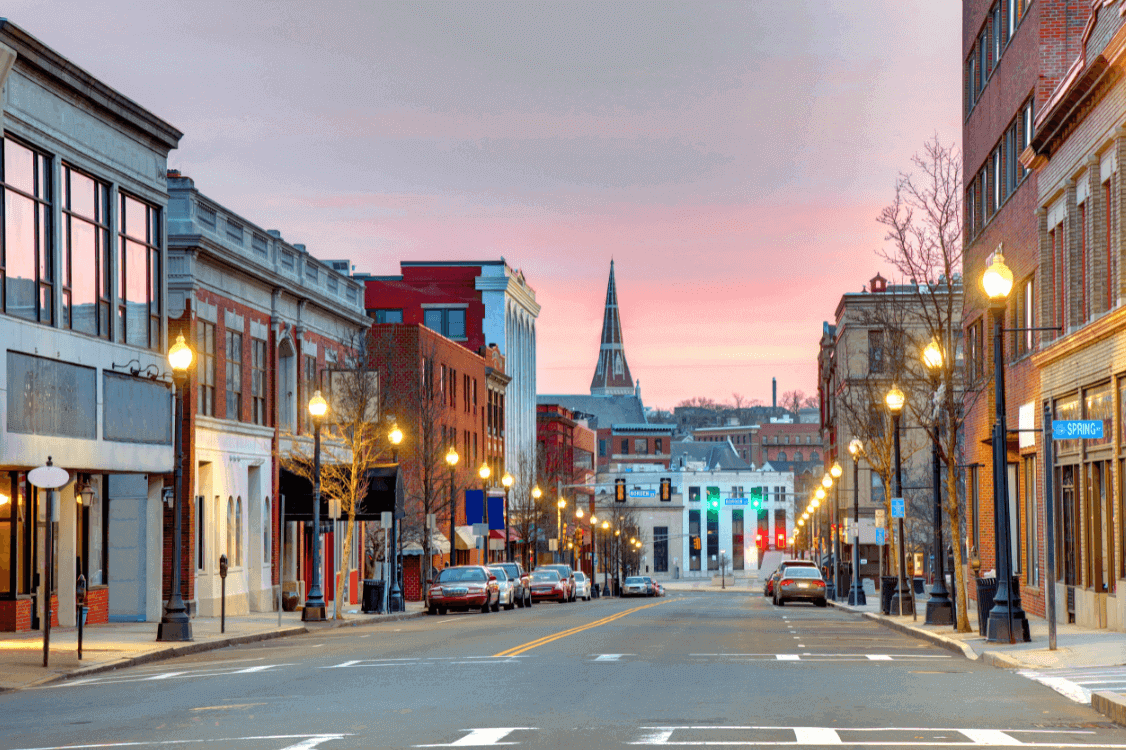
Fall River, Massachusetts, is a city molded by resilience, industry, and cultural diversity. Located along Mount Hope Bay, it has a rich history that spans Native American settlements, the rise and fall of the textile industry, and modern revitalization efforts. From its early days as a small colonial town to its reputation as a manufacturing powerhouse, Fall River has played a central role in the economic and cultural development of New England.
Early Settlements and Colonial Beginning
Before European settlers arrived, the area now known as Fall River was home to the Wampanoag people. They lived off the land, hunting, farming, and fishing along the Taunton River. The Wampanoag called the area Quequechan, meaning falling water, referring to the natural waterfalls that later powered the city’s mills.
In the 1600s, English settlers began moving into the region, drawn by its rich natural resources. In 1675, tensions between settlers and Native Americans erupted into King Philip’s War, a brutal conflict that devastated many indigenous communities. After the war, the land was divided among European settlers, and Fall River slowly began to develop as a small farming community.
The Growth of Industry and the Birth of a Mill Town
During the late 18th and early 19th centuries, Fall River’s economy shifted from agriculture to industry. The city’s location along the Quequechan River, with its fast-moving waterfalls, made it ideal for water-powered mills. The first textile mills appeared in the early 1800s, marking the beginning of Fall River’s rise as a manufacturing center.
By the mid-19th century, the city had become one of the largest textile producers in the United States. Cotton from the South was shipped to Fall River’s mills, where thousands of workers spun it into fabric. Massive brick mill buildings lined the river, creating jobs and attracting waves of immigrants looking for work. Portuguese, French-Canadian, Irish, and English families moved to Fall River, shaping the city’s culture and traditions.
The Immigrant Workforce and Changing Demographics
As the textile industry expanded, Fall River’s population grew rapidly. Immigrants provided the labor needed to run the mills, often working long hours in dangerous conditions. The Irish were among the first to arrive, fleeing the Great Famine in the mid-1800s. French Canadians soon followed, leaving Quebec in search of better opportunities.
By the early 20th century, Portuguese immigrants from the Azores and Madeira had also settled in Fall River, bringing their customs and cuisines to the city.
Each group formed tight-knit communities, building churches, schools, and social clubs. The Espirito Santo Church, established by Portuguese families, and St. Anne’s Church, founded by French-Canadian immigrants, became cultural landmarks. The city’s distinct neighborhoods reflected its diverse population, with French, Irish, and Portuguese influences seen in everything from street names to bakery offerings.
The Great Fire of 1843
On July 2, 1843, a massive fire tore through Fall River, destroying homes, businesses, and much of the city’s industrial base. With limited firefighting equipment, the flames spread quickly, leaving thousands of people homeless. Despite the devastation, the city rebuilt rapidly, replacing wooden structures with brick buildings less likely to burn.
This event marked a turning point for Fall River. The reconstruction effort attracted new investments, and within a decade, the city’s mills produced more textiles than ever. The incident also led to improvements in fire safety, including the establishment of a professional fire department.
The Fall River Line and Maritime Industry
In addition to its mills, Fall River became known for its role in maritime transportation. The Fall River Line, a famous steamship service, connected the city to New York City from the 1840s to the 1930s. Luxurious steamboats carried passengers between the two cities, offering an alternative to train travel. Wealthy travelers, including business leaders and celebrities, often chose the Fall River Line for its elegant accommodations and scenic views of Narragansett Bay.
The city’s shipbuilding industry also thrived during this time, producing fishing vessels and cargo ships. While the textile mills were the backbone of Fall River’s economy, the maritime industry provided additional jobs and helped the city maintain its economic strength.
The Lizzie Borden Case
One of the most infamous events in Fall River’s history took place on August 4, 1892, when Andrew and Abby Borden were both found murdered in their home. Their daughter, Lizzie Borden, was accused of the crime and put on trial in one of the most controversial court cases of the era.
Despite public suspicion, Lizzie was acquitted due to a lack of direct evidence. The trial captivated the nation, and the case remains one of the greatest mysteries in the country. Today, the Lizzie Borden House is a museum and bed-and-breakfast, attracting visitors from all over the world.
The Decline of the Textile Industry
By the early 20th century, Fall River’s dominance in textile manufacturing began to decline. With fewer regulations and lower labor costs, Southern states became more attractive to textile companies. Many mill owners shifted their operations to places like Georgia and North Carolina, leaving Fall River workers unemployed.
The Great Depression further strained the local economy, causing several mills to close permanently. While some mills adapted by producing synthetic fabrics or repurposing their factories, the city never regained its former status as a textile giant. The once-thriving mill buildings, which had defined Fall River’s skyline, were left abandoned or converted into storage spaces.
Urban Renewal and Economic Struggles
In the mid-20th century, city officials launched urban renewal projects aimed at revitalizing Fall River. Many historic buildings were demolished to make way for highways, shopping centers, and modern developments. Interstate 195 was built through the heart of the city, altering neighborhoods and displacing residents.
While some improvements were made, many renewal efforts failed to bring back the city’s economic prosperity. The loss of manufacturing jobs left Fall River struggling with high unemployment and poverty. Efforts to attract new industries, such as electronics and retail, provided some respite but could not fully replace the lost textile jobs.
Cultural and Historical Preservation
Despite economic challenges, Fall River has remained proud of its history. Many of its old mills have been transformed into museums, loft apartments, and commercial spaces. Battleship Cove, home to the USS Massachusetts and other historic naval vessels, attracts thousands of visitors each year. The preservation of the Lizzie Borden House and the Lafayette-Durfee House helps keep the city’s history alive.
Portuguese cultural festivals, French-Canadian heritage events, and other community celebrations continue to showcase the city’s diverse roots. The food scene reflects this heritage. They have Portuguese bakeries, seafood restaurants, and classic diners serving generations-old recipes.
Modern Revitalization Efforts
In recent years, Fall River has focused on economic redevelopment and tourism. New businesses have moved into former mill buildings. Waterfront improvements have also made the city more appealing to visitors. The arts and entertainment scene has also grown, with venues like the Narrows Center for the Arts hosting live music and exhibitions.
Efforts to restore historic landmarks and promote Fall River’s maritime heritage have also gained traction. Investment in infrastructure and small businesses has provided hope for a brighter future. While the city may never regain its industrial peak, it continues to evolve while honoring its past.
Get a Free Consultation Today
If you need legal counsel in Fall River, MA, reach out to Boston Injury Law Group today.
We work on a contingency fee basis, so you don’t need to pay anything until we win your case. We can help you with all types of accidents and injuries in Fall River, Massachusetts.Call (617) 454-4874 for a free, no-obligation consultation.